Our Kharkiv War Tour: Real Locations, Real Stories
This route is not random. It is built to show the logic of war—how it spreads, how it affects different parts of a city, and how people adapt.
1. Exhibition of Destroyed Russian Military Equipment (Kholodnohirskyi District)

We start with something symbolic: destroyed Russian vehicles.
Tanks, armored personnel carriers, and military hardware—burned, torn apart, and left as evidence.
This is not a museum in the classical sense. It’s a raw, open-air reminder of how close the fighting came.
Here, the war is still loud.
2. The Ruined School on the Way to Saltivka


Before reaching Saltivka, we stop at a destroyed school.
Classrooms frozen in time. Broken windows. Walls pierced by shrapnel.
It’s one of the most emotional points of the tour—because it shows that war is not only about armies.
It’s about interrupted childhoods.
3. Northern Saltivka: A District That Became a Battlefield


Saltivka is the heart of Kharkiv’s destruction.
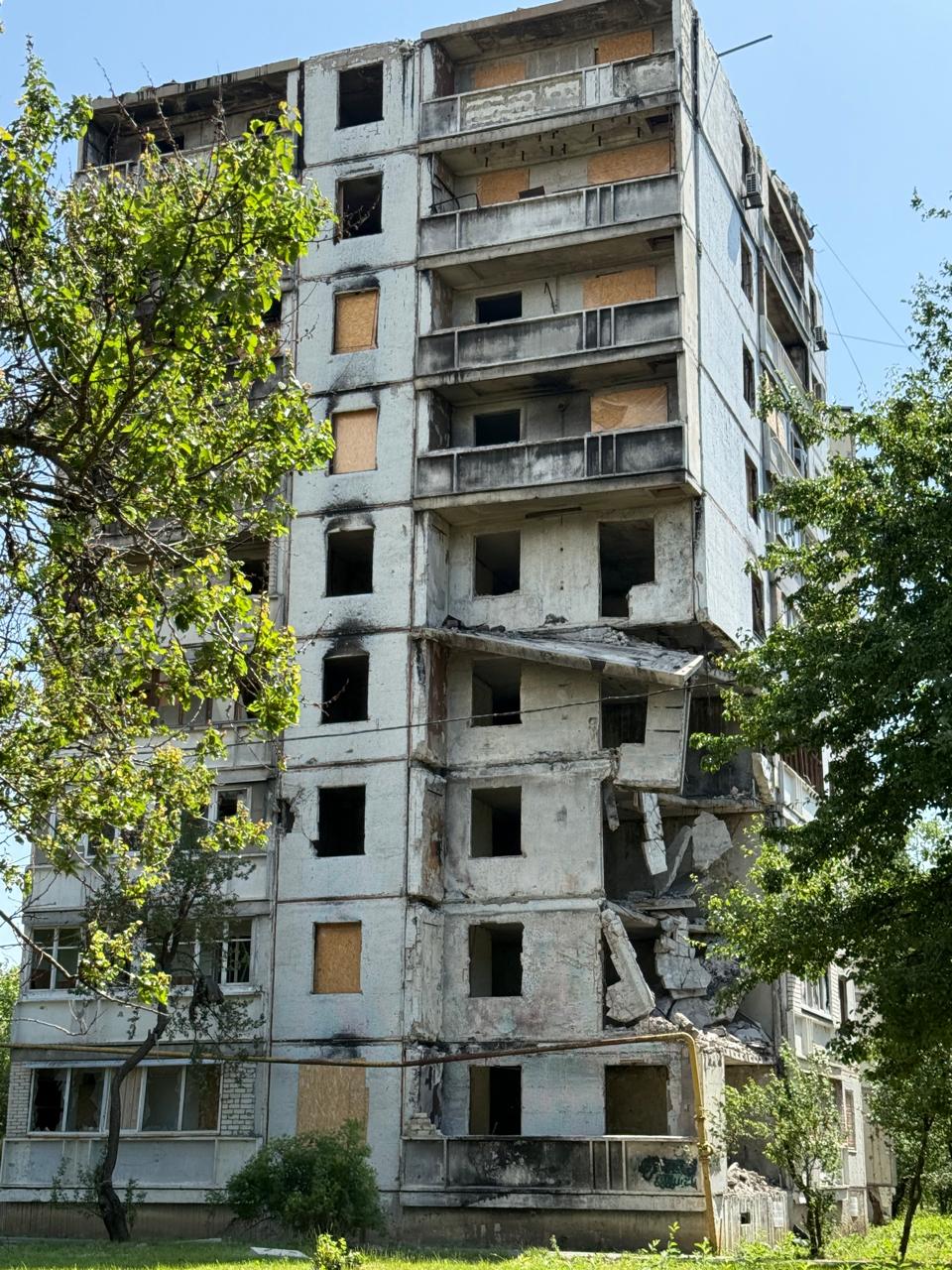
This is not one location—it is an entire district turned into a case study of urban warfare.
Key stops include:
- Destroyed garages
- A heavily damaged market
- A ruined kindergarten
- Konut binaları topçu ateşiyle vuruldu.
Walking here feels different.
The scale changes your perception. You begin to understand how massive and systematic the attacks were.
4. Kharkiv City Center: War Meets Everyday Life


After Saltivka, we move into the center—a place where life continues, but the war is still visible.
The route includes:
- Maidan Nezalezhnosti metro area
- Sumskaya Street (main artery of the city)
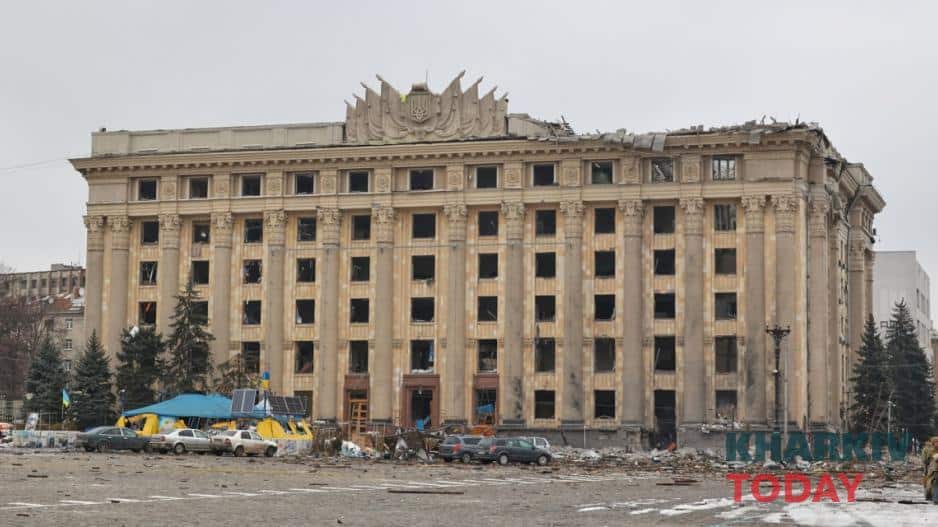
- Damaged MVD administration building
- A nearby church affected by shelling
- City Council area and surrounding разрушенные кварталы
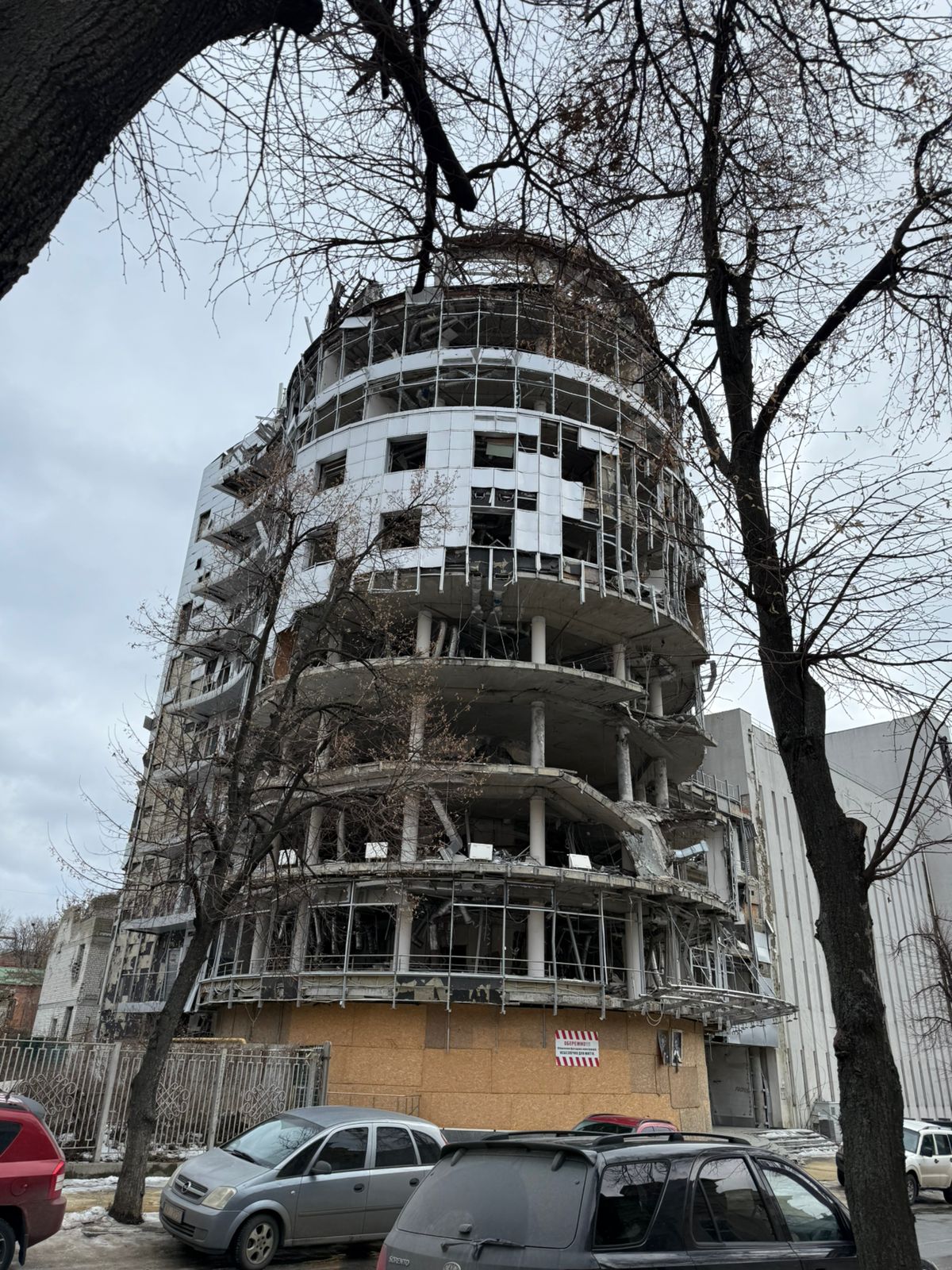
- Ukrtelecom building and nearby residential destruction
- Palace of Lovers (damaged cultural site)
- Areas of destroyed housing blocks
- Central Park zone, including:
- Damaged industrial buildings
- The Children’s Railway, affected by strikes
- Impact zones inside the park itself
This part of the tour shows contrast.
People walk, drink coffee, go to work.
And just meters away—burned facades and broken windows.
One Day or Two?
- 1-day tour → Full overview (intense, but complete)
- 2-day tour → Deeper experience:
- Day 1: Saltivka and outskirts
- Day 2: City center and detailed storytelling
If you want to hissetmek the city—not just see it—two days is strongly recommended.
Practical Tips for First-Time Visitors
1. Safety first
Kharkiv is not a typical tourist city. Always follow local guidance and current security updates.
2. Move with a guide
Many locations are not obvious or accessible without local knowledge. A guide also provides context you won’t find online.
3. Keep it respectful
This is not “dark tourism for entertainment.” These places are connected to real people and recent events.
4. Be prepared emotionally
Some locations—especially schools and residential areas—can be difficult to process.
5. Plan logistics carefully
Transport, timing, and curfew rules matter. This is not a city where you improvise everything.
Why You Should Choose a Guided War Tour
Kharkiv is complex.
Without context, you will only see разрушенные здания.
With a guide—you understand:
- What exactly happened in each location
- Why certain districts were targeted
- How the frontline moved
- How civilians survived and adapted
Our team works locally. We know the routes, the risks, and the stories.
And most importantly—we treat this experience with respect.
Son Düşünce
Kharkiv is not trying to impress you.
It doesn’t need to.
It shows war as it is—unfinished, uncomfortable, and real.
And that is exactly why it stays with you long after you leave.