By the time many Asian travelers arrive in Kyiv, they think they already understand Ukraine.
They have seen the headlines. The drone footage. The destroyed apartment blocks. The maps with red arrows and front lines.
And yet, somewhere between the underground metro stations of Kyiv and the shattered streets of Kharkiv, something unexpected happens:
Ukraine stops feeling like a news story.
It becomes real.
Kyiv: A City Living Between Sirens and Cappuccinos
The first surprise comes almost immediately.
Kyiv does not look the way many visitors imagine a country at war should look.
On a warm evening, terraces are full. Young couples drink coffee outdoors. Cyclists move along tree-lined streets. Elegant bookstores stay open late into the night. Music drifts out of bars in Podil while the golden domes of old monasteries glow above the Dnipro River.
Then, without warning, the air-raid siren begins.
Nobody panics.
Some people glance at their phones. Others quietly move toward the metro station. A waiter calmly continues serving desserts.
For travelers from Singapore, Seoul, Tokyo, or Taipei, this contrast feels surreal at first:
a European capital balancing ordinary life with the constant awareness of war.
But after several days, visitors begin to understand something important about Ukraine:
normal life itself has become a form of resistance.
The Emotional Weight of Memorials
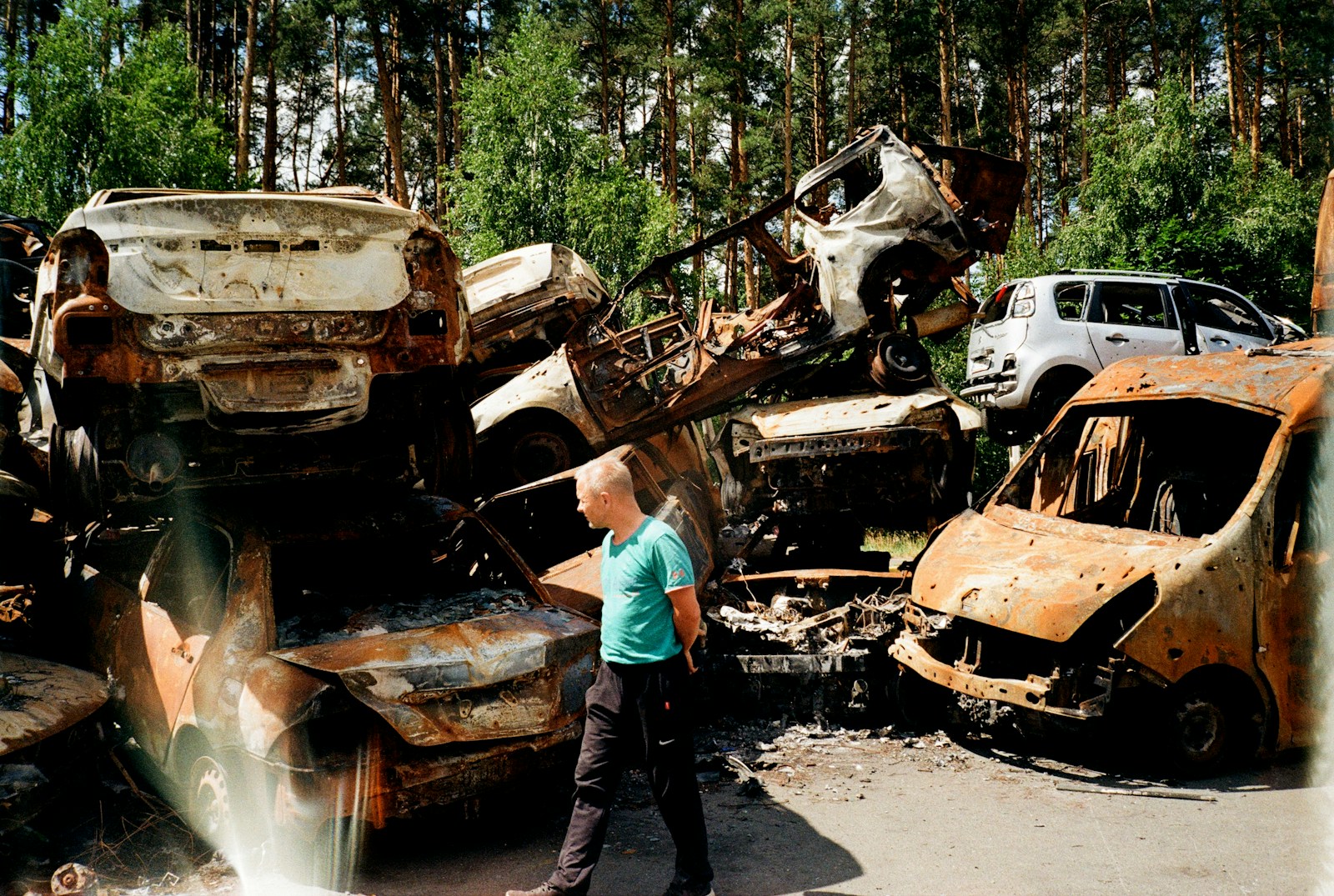
Many foreigners expect destroyed tanks to be the most powerful sight in Ukraine.
Usually, they are wrong.
The moments that stay with visitors are often quieter.
Fresh flowers beneath photographs of fallen soldiers.
Handwritten notes left by mothers and children.
Rows of blue-and-yellow flags moving gently in the wind.
At the Wall of Remembrance in central Kyiv, tourists often stop speaking entirely.
The war suddenly loses its abstract shape.
It becomes personal.
For many Asian visitors — especially those coming from peaceful, hyper-modern cities — this emotional proximity to history feels deeply unsettling and unforgettable.
Ukraine Is Far More Modern Than Most Expect
One stereotype disappears quickly:
the idea that Ukraine is somehow “behind” the rest of Europe.
Visitors are often surprised by how digitally advanced daily life feels.
In Kyiv, nearly everything works through smartphones:
- payments,
- banking,
- delivery services,
- taxis,
- railway tickets,
- even air-raid alerts.
Cafés look effortlessly stylish. Restaurants rival those in Warsaw or Berlin. Creative industries continue operating despite blackouts and missile attacks.
Many travelers quietly admit they did not expect this version of Ukraine to exist.
Especially not during wartime.
Kharkiv: Where Courage Feels Visible
If Kyiv feels resilient, Kharkiv feels defiant.
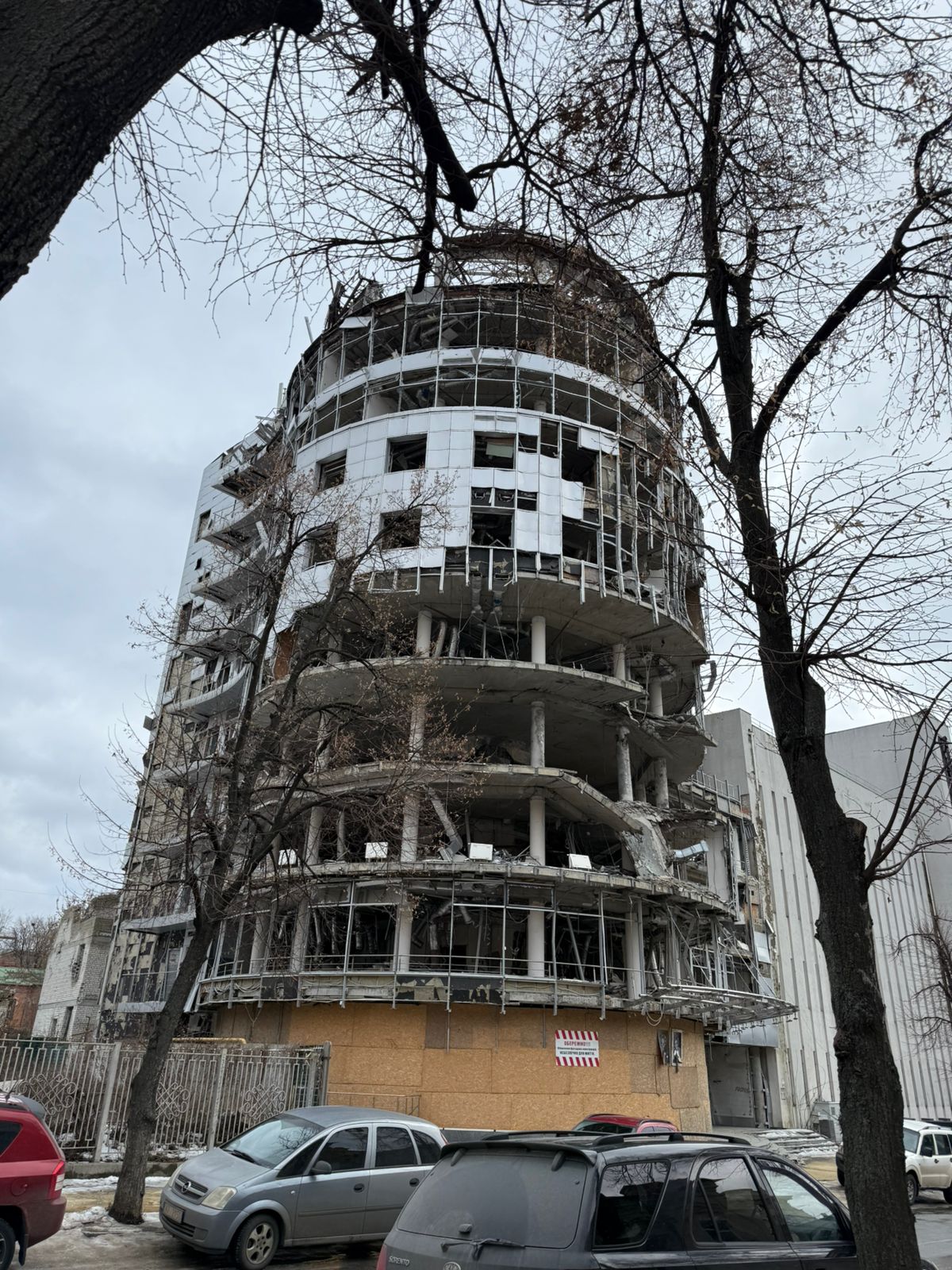
The eastern city carries visible scars of war. Damaged buildings stand beside busy cafés. Streets that once appeared in international news reports now continue with ordinary daily routines.
Students attend classes. Elderly residents walk through parks. Volunteers distribute aid. Construction workers repair shattered windows.
The psychological effect on visitors is powerful.
For many Asians — particularly those from highly stable societies — Kharkiv challenges long-held assumptions about how people behave under extreme pressure.
There is fear, certainly.
But there is also dignity.
And humor.
A surprising amount of humor.
Ukrainians Rarely Want Sympathy
This may be the greatest surprise of all.
Foreign visitors often arrive expecting sadness and despair. Instead, they encounter people who are remarkably direct, emotionally open, and often unexpectedly optimistic.
Taxi drivers joke during missile alerts. Baristas recommend hidden cafés between conversations about electricity outages. Tour guides speak honestly about grief, loss, and exhaustion — but rarely with self-pity.
Many Ukrainians do not want to be viewed as victims.
They want visitors to understand what is being defended:
their homes, language, freedom, identity, and future.
That distinction changes the entire experience for many travelers.
Why Asian Visitors Leave Changed
In recent years, Ukraine has become something unusual in global tourism:
a destination people visit not for escape, but for understanding.
Travelers from Asia often arrive searching for answers about war, resilience, or geopolitics.
What they discover instead is something more human:
- a society refusing to collapse,
- cities adapting in real time,
- and people continuing to live with extraordinary determination.
Long after leaving Kyiv or Kharkiv, many visitors say they remember not the destruction — but the atmosphere.
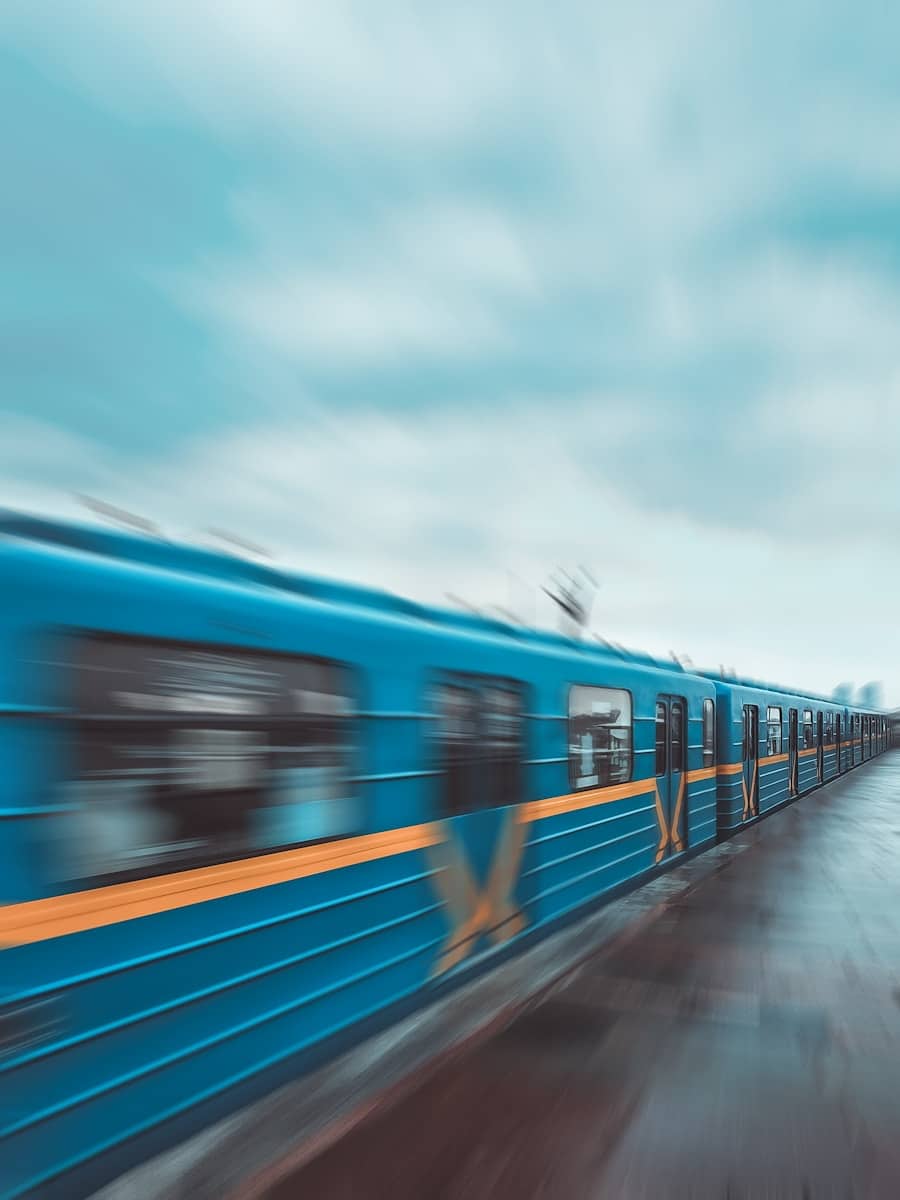
The calm inside metro shelters.
The sound of conversation during blackouts.
The strange beauty of a city that refuses to stop living.
And perhaps that is the most surprising thing about Ukraine of all.
FAQ:
Is Ukraine safe for travelers from Asia?
Ukraine is still a country at war, so travel always involves risks. However, many foreign visitors — including travelers from Singapore, Japan, South Korea, Taiwan, and Hong Kong — continue visiting Kyiv and other regions responsibly.
Kyiv today functions surprisingly normally:
- hotels operate,
- restaurants are open,
- trains run on schedule,
- and daily life continues despite air alerts.
Travelers should stay informed, follow local guidance, and avoid frontline areas unless accompanied by experienced local guides.
Why are more Asian travelers interested in Ukraine?
For many people across Asia, Ukraine represents something rarely seen in modern travel:
a chance to witness history unfolding in real time.
Visitors are often interested in:
- geopolitics,
- odporność,
- post-war recovery,
- modern European culture,
- and the human side of the conflict rarely shown in headlines.
Many travelers say visiting Ukraine changes the way they understand both war and freedom.
Is Ukraine only for “war tourism”?
No — and many visitors are surprised by this.
Most foreign travelers discover that Ukraine is not about “extreme tourism,” but about:
- human stories,
- odporność,
- pamięć historyczna,
- culture,
- and understanding everyday life during wartime.
The experience often feels closer to documentary travel or cultural observation.
What surprises Asian visitors the most about Ukraine?
Many travelers from Asia mention:
- how modern Kyiv feels,
- how calm people remain during air alerts,
- the friendliness of Ukrainians,
- and how normal daily life continues despite the war.
Visitors are also often surprised by:
- excellent cafés,
- digital payments everywhere,
- fast internet,
- stylish restaurants,
- and the emotional atmosphere of memorials across the country.
Do Singaporeans, Japanese, or South Koreans need a visa?
Visa rules may change, so travelers should always check official government sources before booking a trip.
At the moment, many Asian countries have simplified or visa-free short-term access to Ukraine, including Singapore in many cases.
What is the easiest route from Asia to Ukraine?
Most travelers fly into Europe first, usually through:
- Warsaw,
- Kraków,
- Vienna,
- or Budapest.
From Poland, visitors commonly continue to Kyiv by train or long-distance bus.
Warsaw–Kyiv train routes are especially popular among international travelers.
Is English widely spoken in Ukraine?
In major cities like Kyiv, many younger Ukrainians speak English reasonably well, especially:
- hotel staff,
- guides,
- café workers,
- and people working in tourism or IT.
However, English levels vary, and having a local guide can significantly improve the experience.
What happens during an air raid alert?
When air alerts occur:
- phones receive notifications,
- public alert systems activate,
- and people may move toward shelters or metro stations.
For many foreign visitors, Kyiv’s metro shelters become one of the most unforgettable experiences of the trip.
Despite the situation, Ukrainians usually remain calm and organized.
Is Kyiv very different from Asian cities?
Yes — but that contrast is often exactly what fascinates visitors.
Kyiv combines:
- European architecture,
- Soviet history,
- modern café culture,
- wartime resilience,
- and a strong sense of identity.
Many travelers compare the emotional atmosphere of Kyiv to cities that experienced major historical turning points.
Can tourists visit Kharkiv?
Yes, but Kharkiv is significantly more dangerous than Kyiv because of its proximity to the frontline.
Travel there is usually recommended only:
- with local guidance,
- flexible schedules,
- and full awareness of the risks.
At the same time, many visitors describe Kharkiv as the most powerful and unforgettable city they visit in Ukraine.
What should Asian travelers prepare before visiting Ukraine?
Recommended preparations include:
- travel insurance,
- power banks,
- eSIM or roaming access,
- comfortable walking shoes,
- elastyczne plany podróży,
- and awareness of wartime conditions.
Visitors should also mentally prepare for emotional experiences, especially at memorial sites and destroyed residential areas.
Why do many visitors leave Ukraine emotionally changed?
Because Ukraine is not simply a destination people “see.”
It is a place people experience deeply.
Many travelers leave with a new understanding of:
- odporność,
- community,
- wolność,
- and how ordinary people continue living during extraordinary times.
For many Asian visitors, Ukraine becomes one of the most meaningful journeys of their lives.